
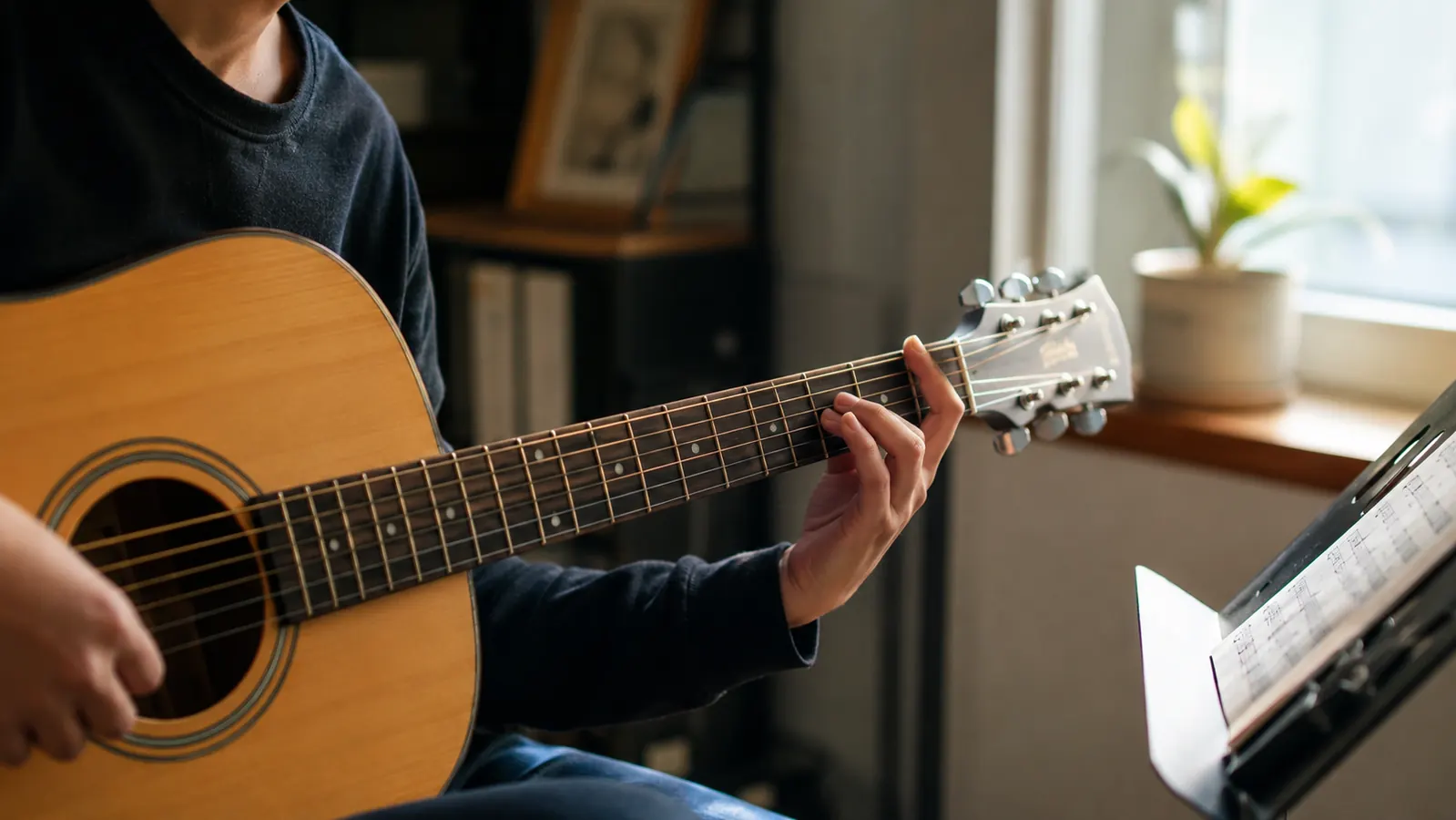
Acoustic Guitars
Fender CD-60S Review: 18 Months of Daily Use in a Teaching Studio
A working teacher's long-term verdict after 18 months and three CD-60S guitars in the studio.
Two brothers started lessons on the same day. One nearly quit. A single change of guitar turned my studio's most reluctant student around.
A working teacher's long-term verdict after 18 months and three CD-60S guitars in the studio.

The two most-recommended beginner dreadnoughts, compared by a teacher who loans both to students every week. Warmth and warranty on one side, consistency and brightness on the other.
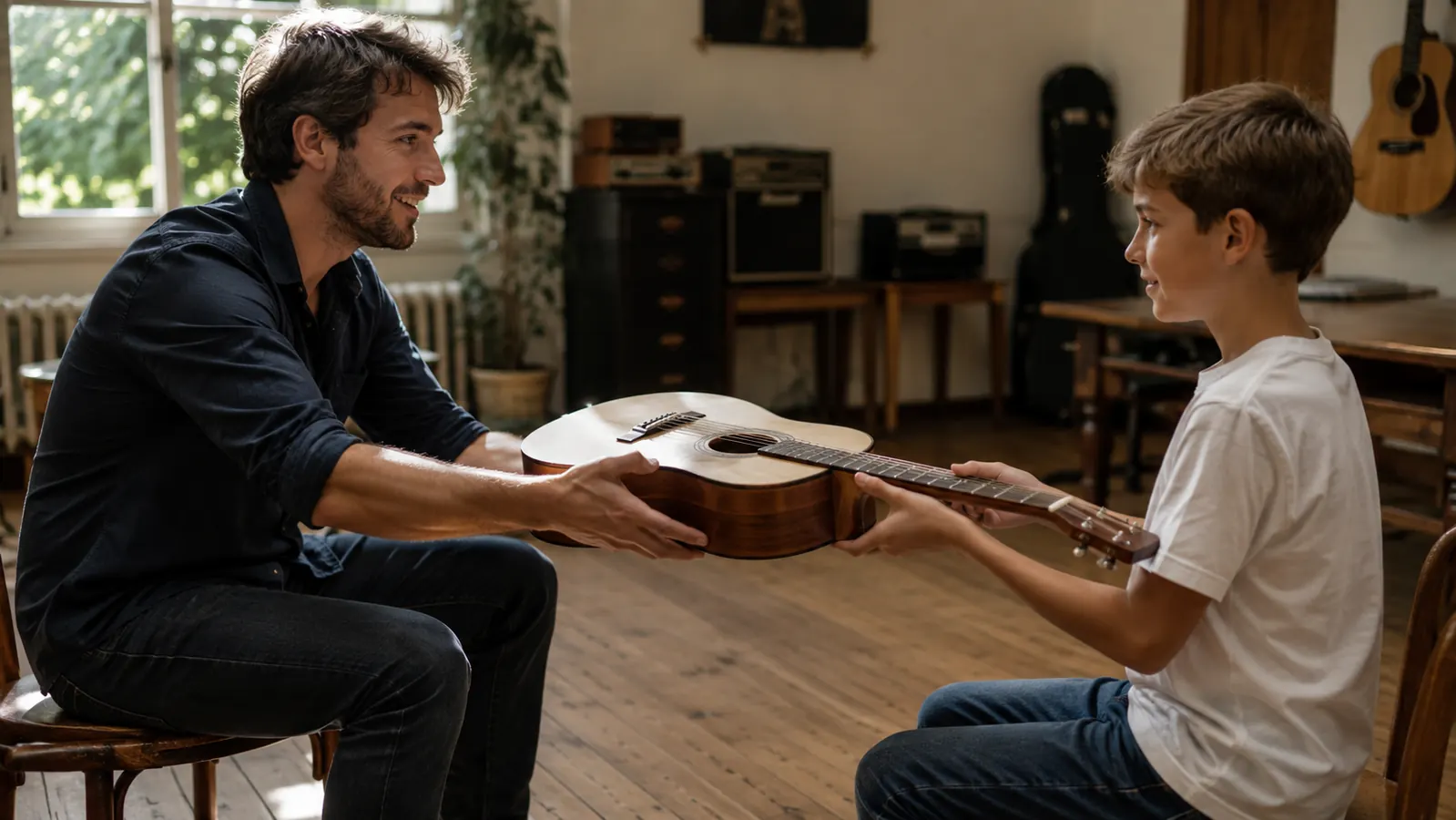
Solid spruce or mahogany costs a little more than laminate. Here is why that extra bit buys better tone, better practice habits, and a guitar that stays interesting for years.
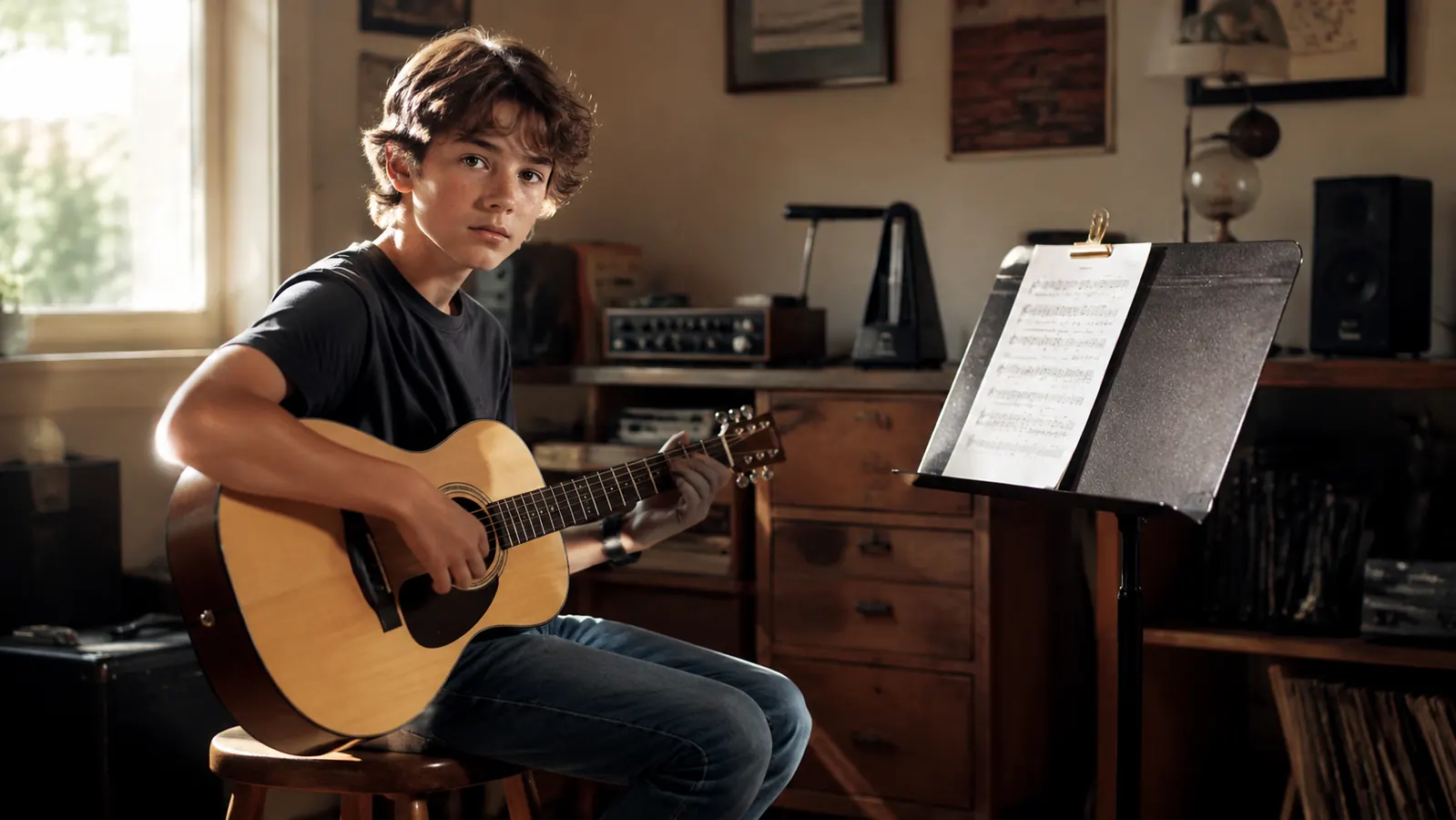
Two brothers started lessons on the same day. One nearly quit. A single change of guitar turned my studio's most reluctant student around.
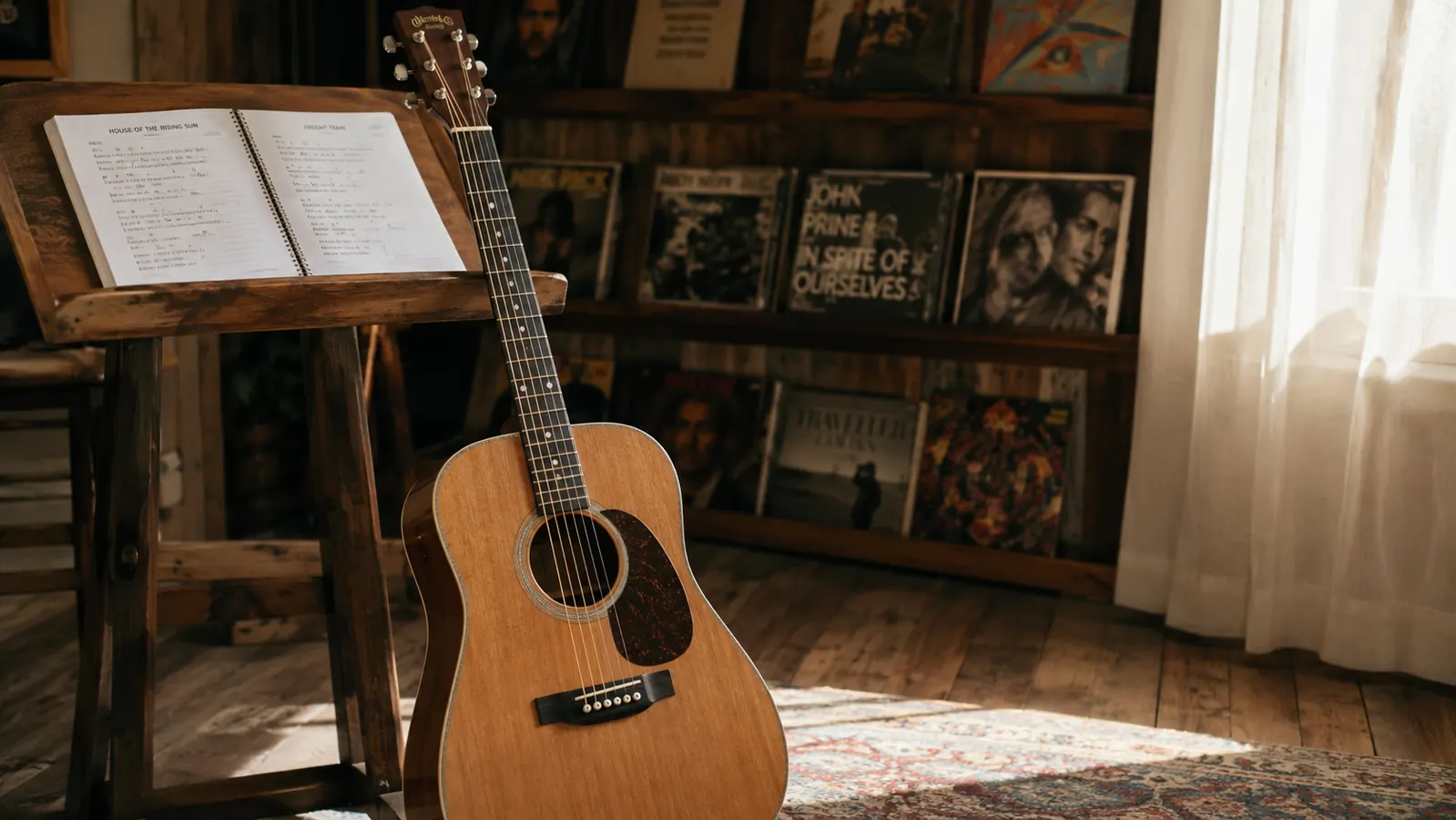
Five checks I run on every beginner guitar before a student takes it home, and why the Fender CD-60S keeps passing all of them.

Three CD-60S guitars, hundreds of lessons, and the flaws the product bullets leave out.
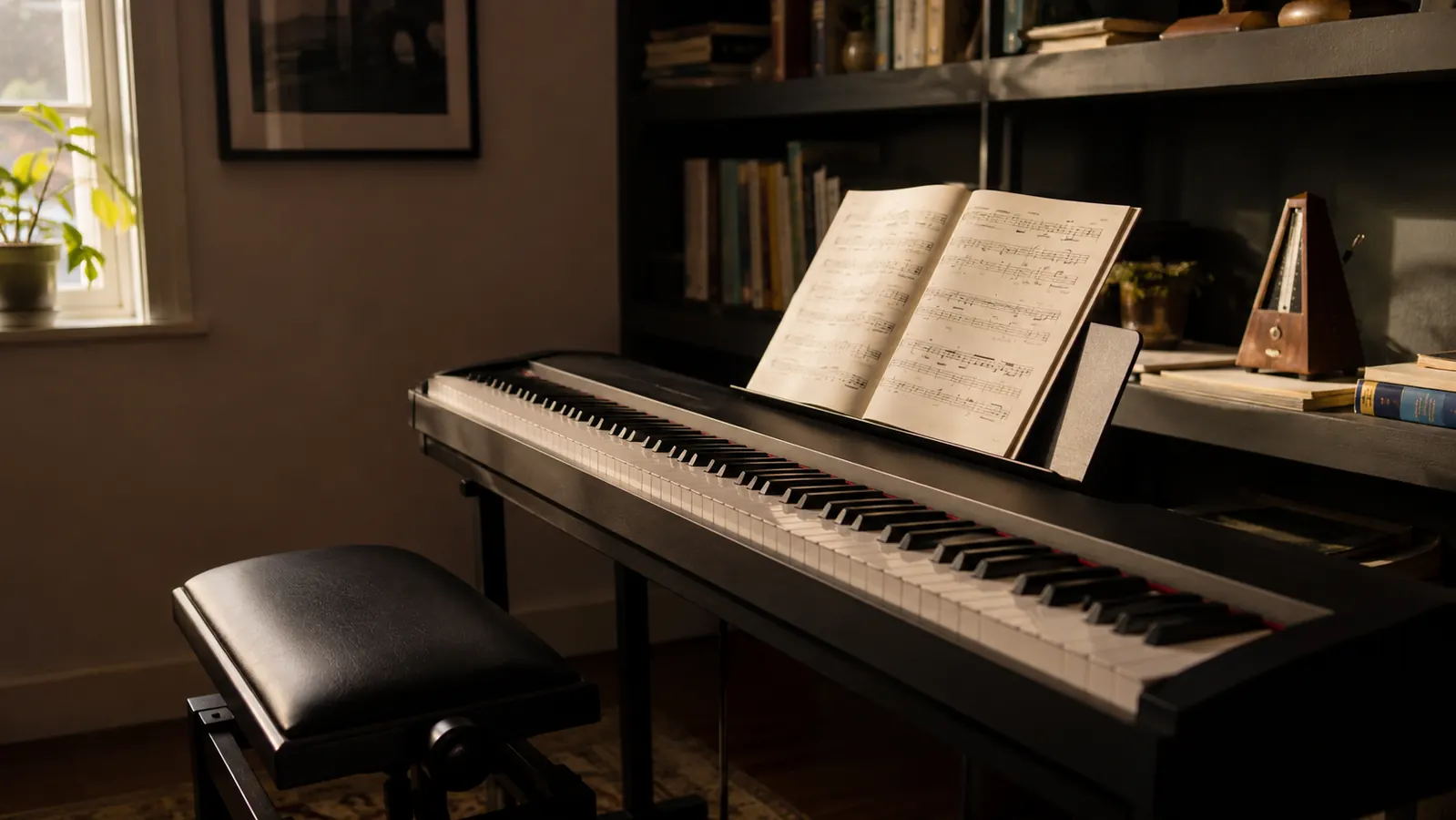
Fourteen months, three Recitals, and a few hundred beginner lessons later: how Alesis's best-selling 88-key board actually holds up in a working music studio.
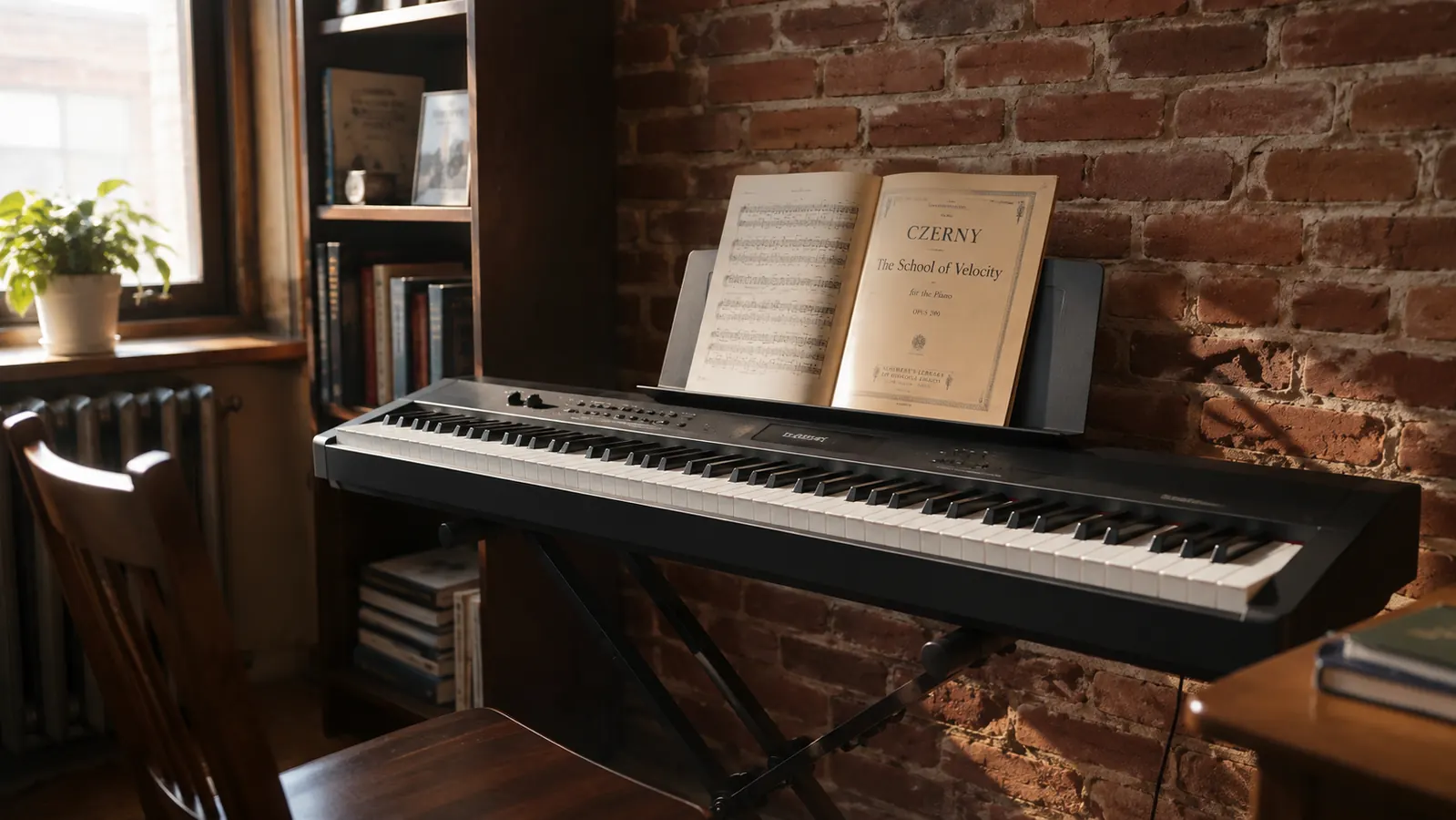
Which 88-key beginner board really belongs in a practice room? A music teacher compares the Alesis Recital and the Yamaha P-45 after a year of lessons on both.

The feel of the key is the first lesson. Here is why semi-weighted and weighted keys matter for beginners, and the 88-key piano I recommend most.

A retired engineer walked into my studio on a Tuesday wanting to play the piano he never learned as a kid. A keyboard, a practice plan, and a year that changed how he spends his evenings.
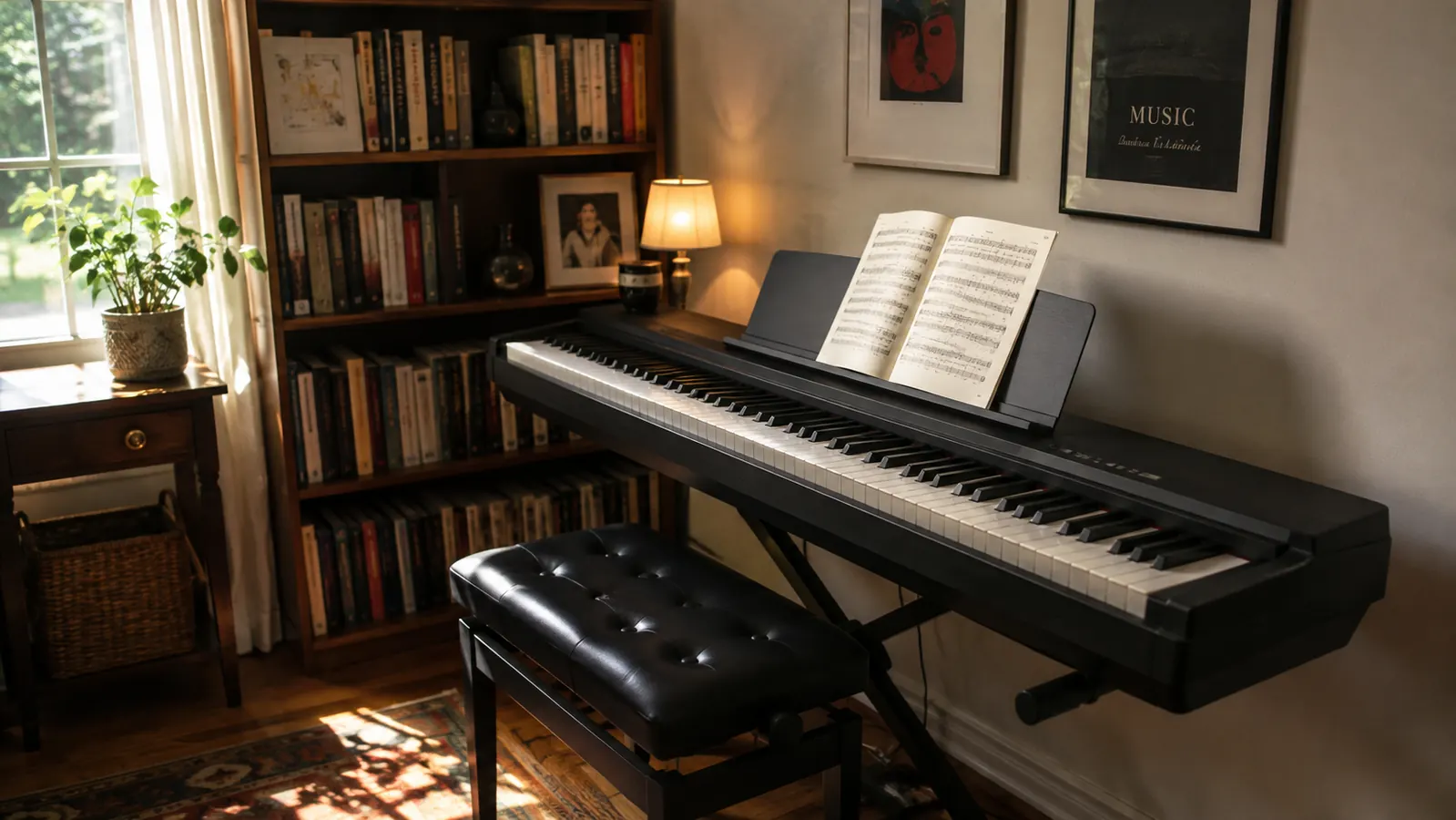
The right setup is what makes a kid (or an adult) actually sit down at the keys. Here is the exact checklist I walk parents through, built around the Alesis Recital 88-key.

The Alesis Recital is the beginner 88-key I recommend most, which is exactly why it deserves an honest review of the weak spots: the Volume Pearl nobody explains, the ceiling on its speakers, the flex in its cabinet, and the trade in its semi-weighted action.
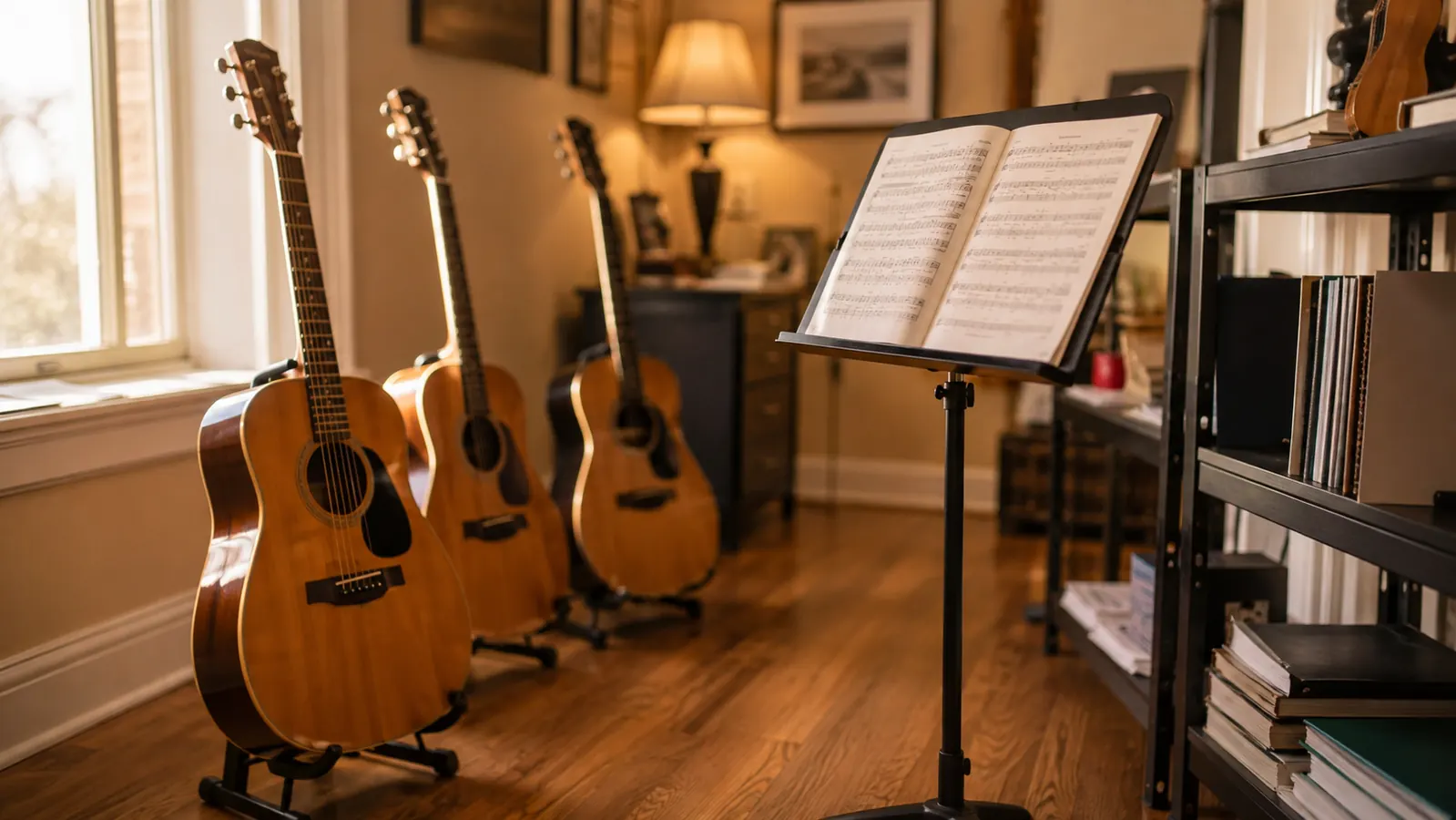
The clip-on tuner that ended the tuning chore in my studio. Two years in, seven of them on hand, and nothing I have found is faster.
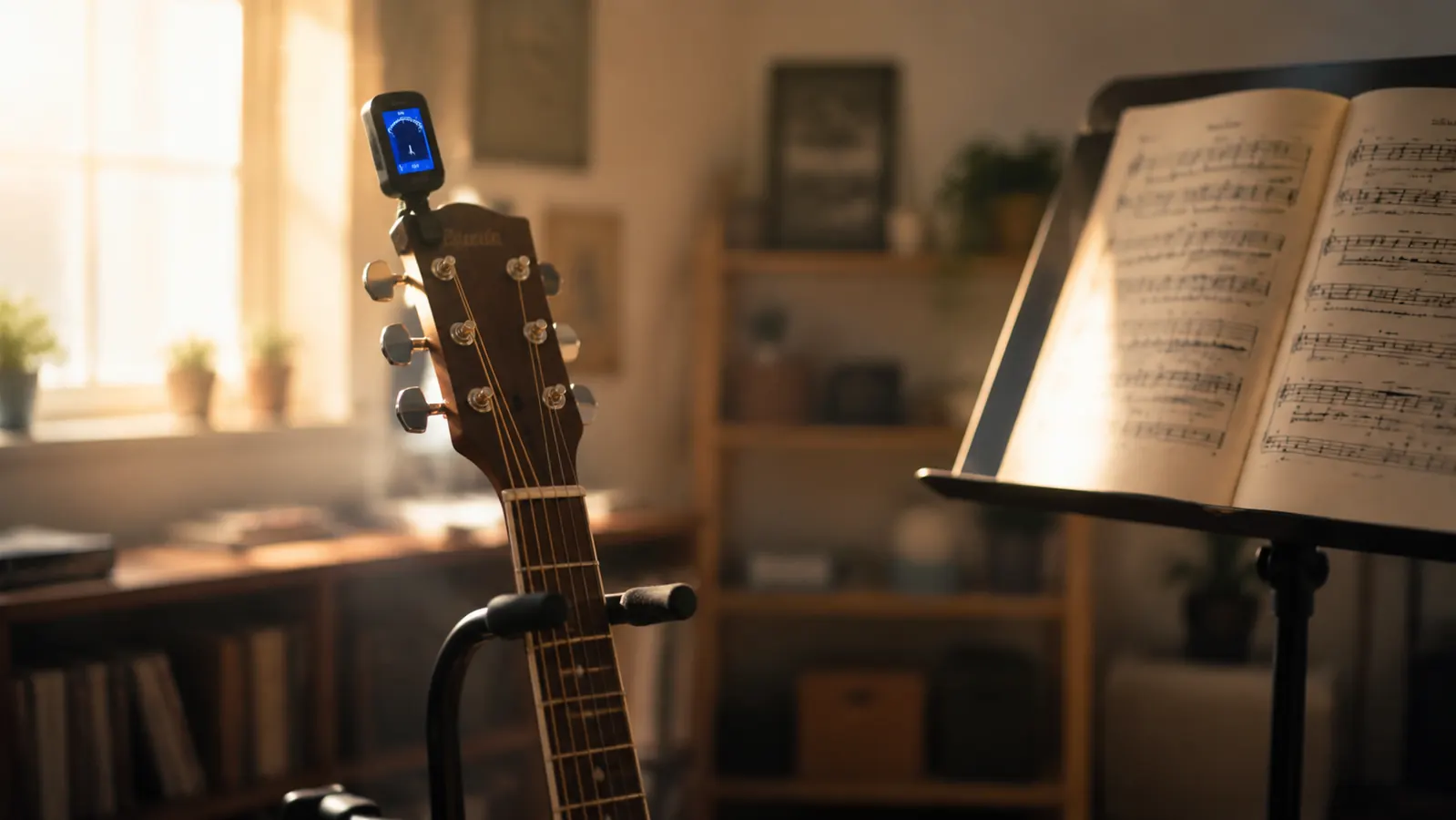
Two years, two tuners, and a drawer full of dead coin cells: which clip-on belongs on your headstock?

A clip-on tuner is the cheapest insurance a music lesson has, and the Snark SN-8 is the one I've trusted for years.

A roomful of waiting students, a viola that would not hold a note, and the one thing that was exactly where it usually is: at home.
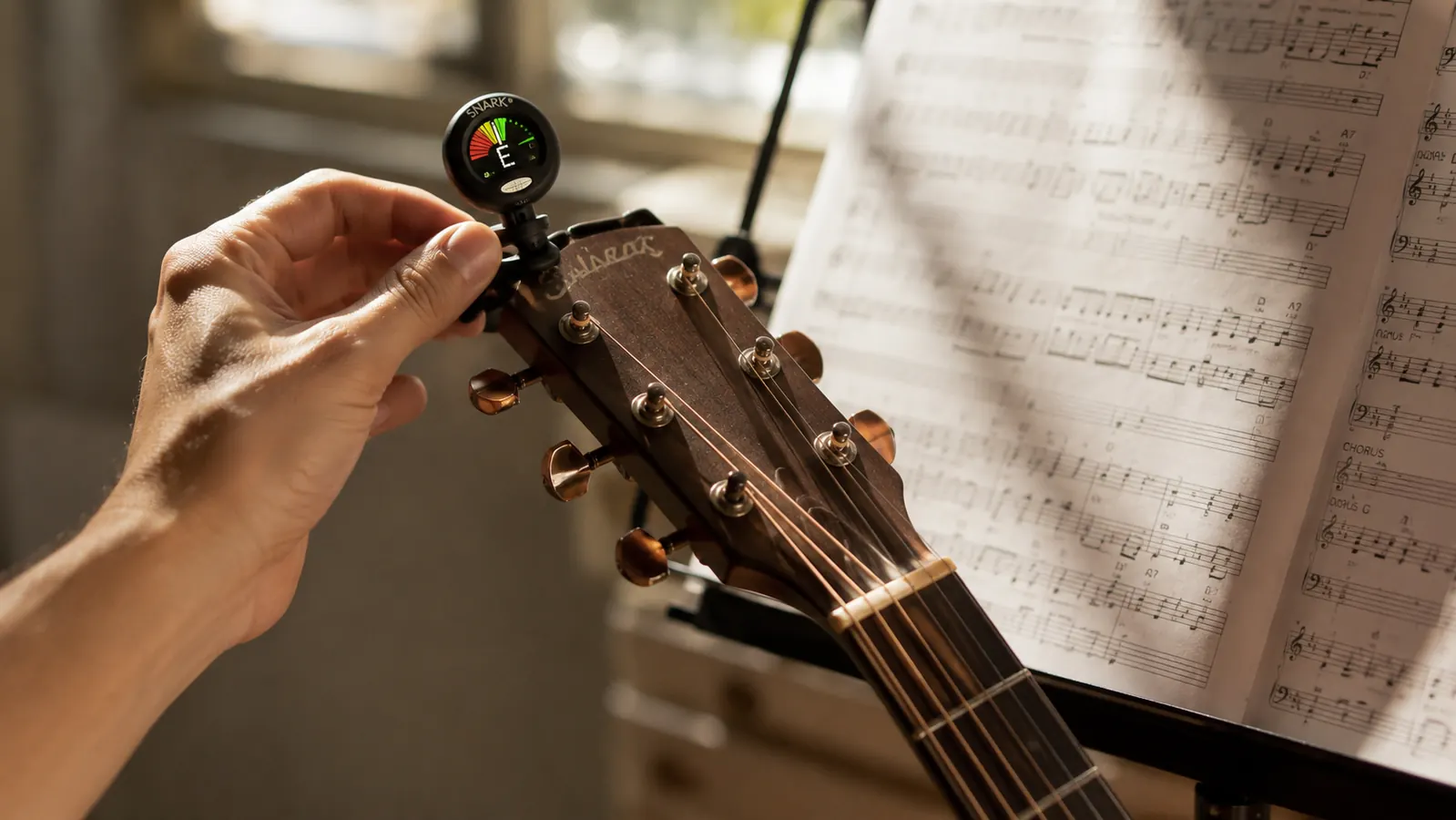
Clip it on, pluck, turn the peg, done. This is the exact five-step routine I use with every student who walks into my studio, and the mistakes that slow beginners down.
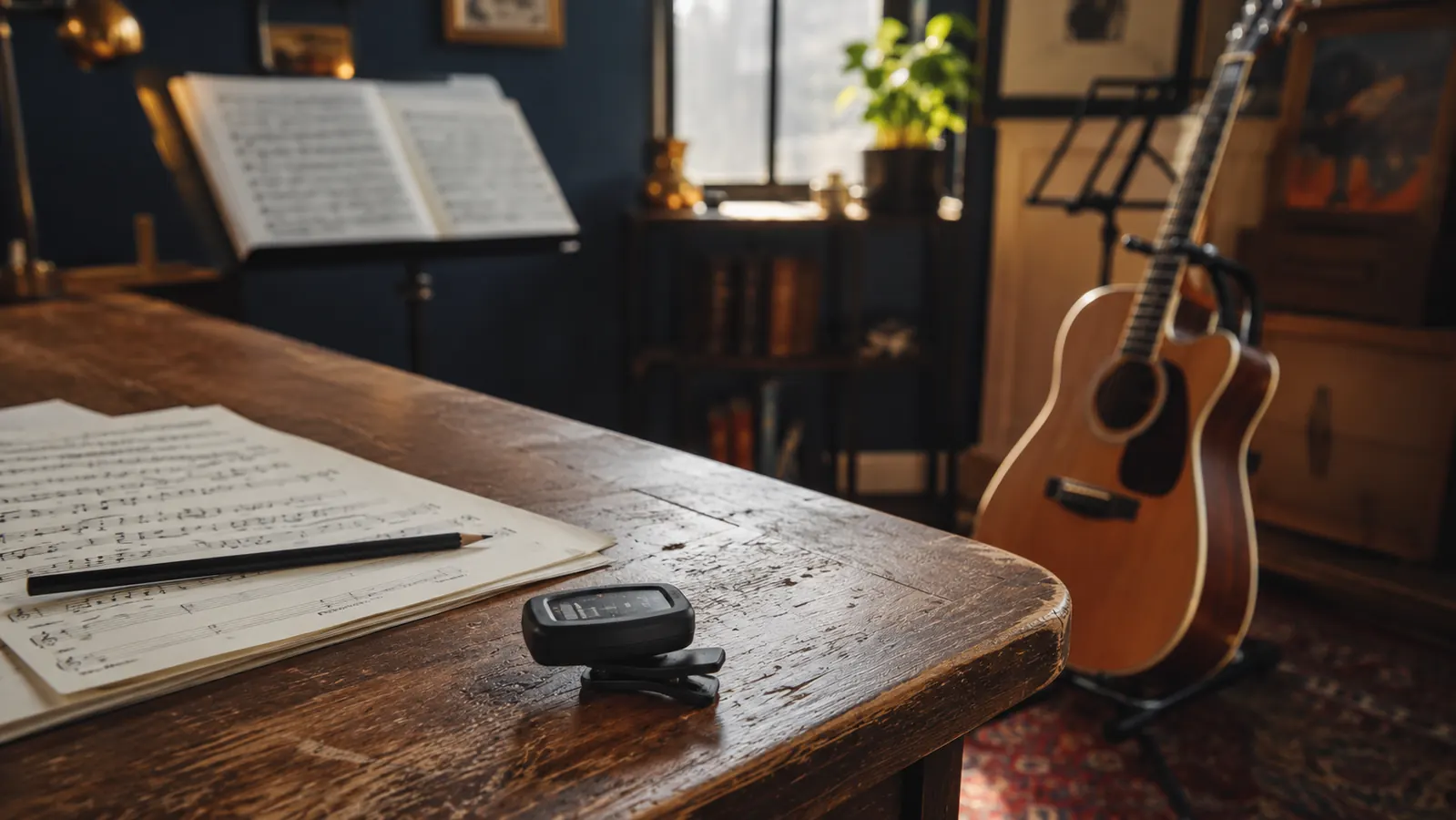
Two of my six Snark SN-8s are broken in a drawer right now, and I still recommend one to every new student. This is the honest review that explains how both of those things are true.
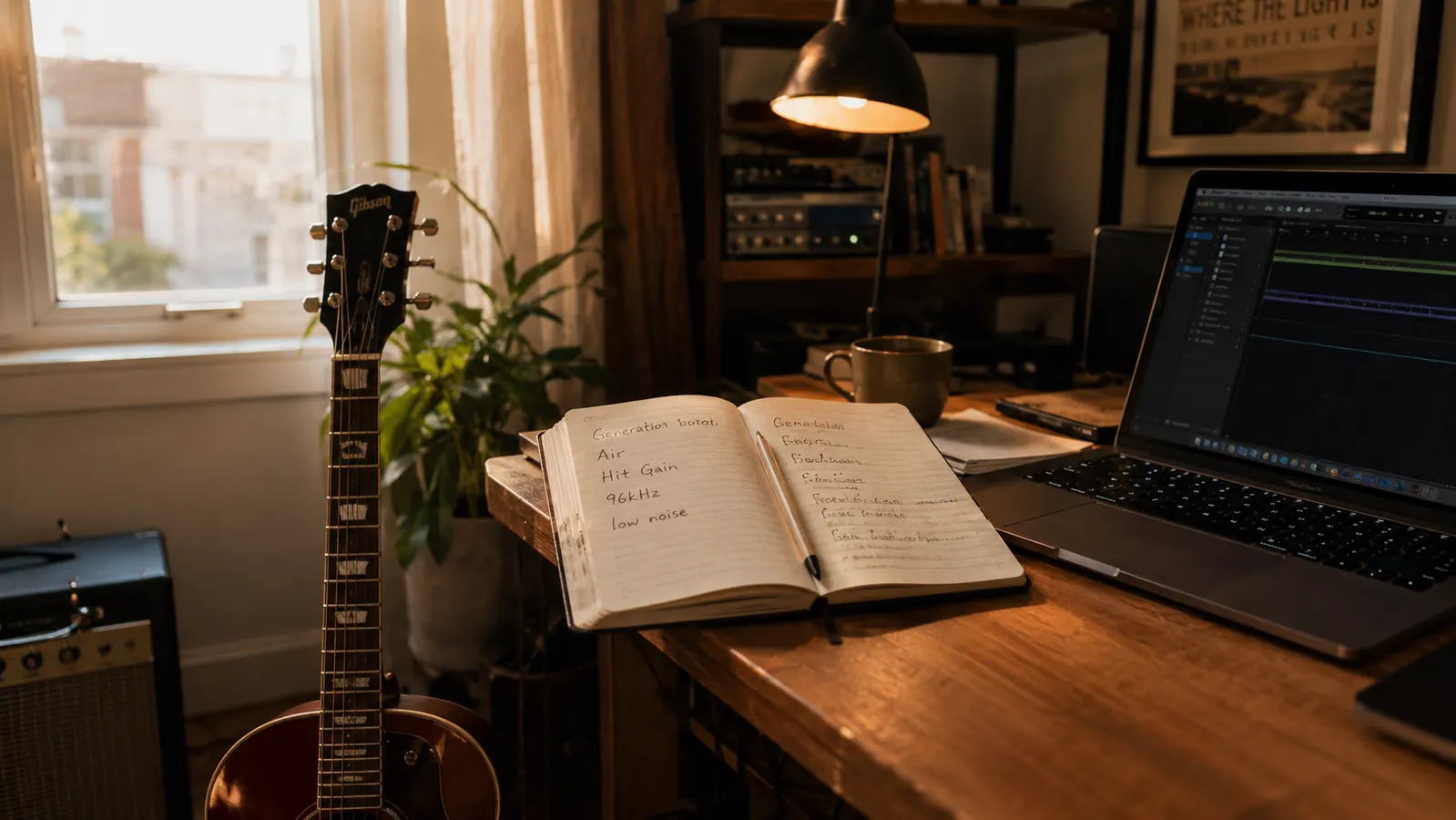
A year of lesson playbacks, student demos, and weekend band rehearsals on the interface I recommend to every beginner.
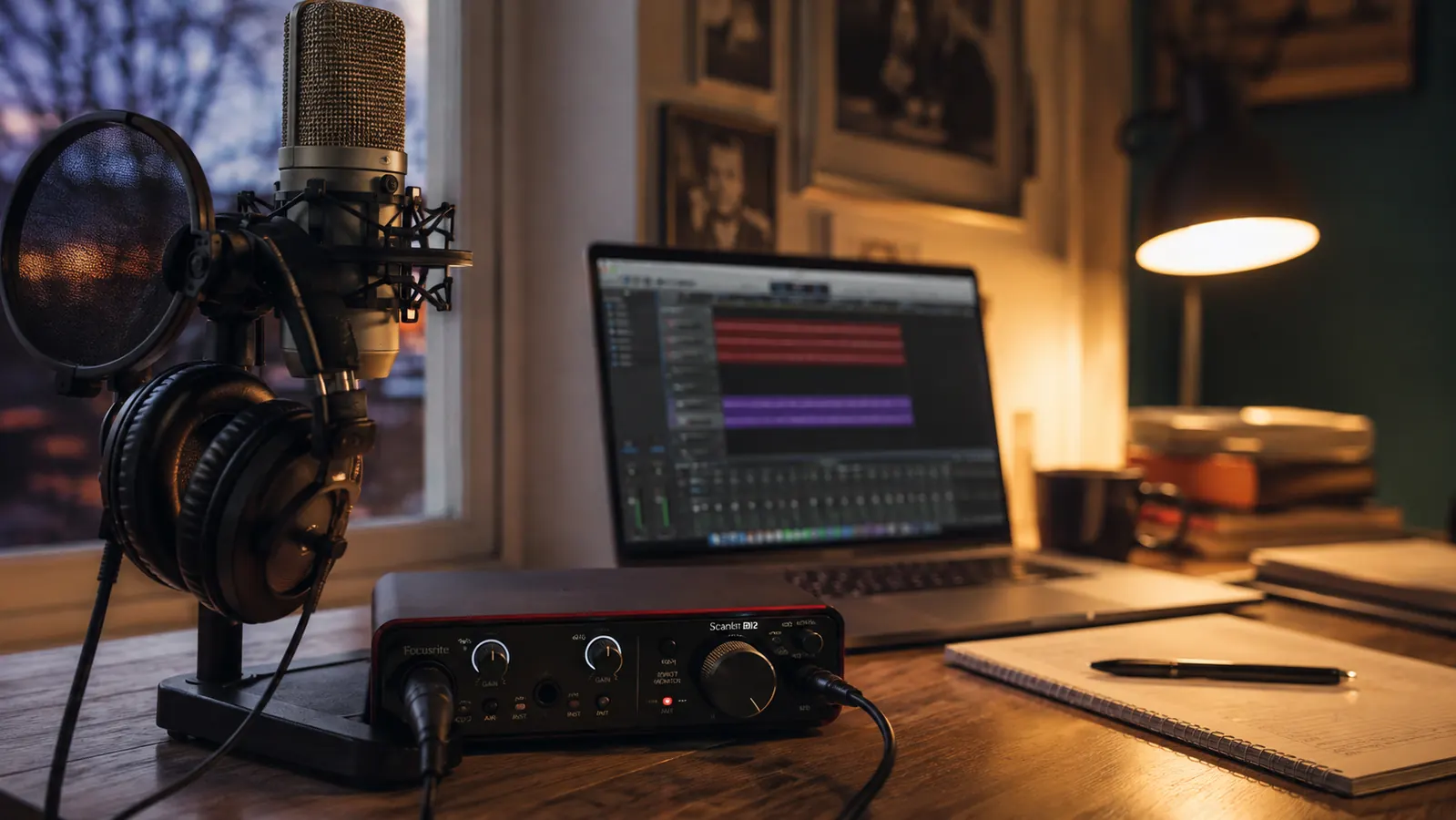
Two entry interfaces, every beginner's first gear question. I recorded through both for a year in lessons and in my own studio.
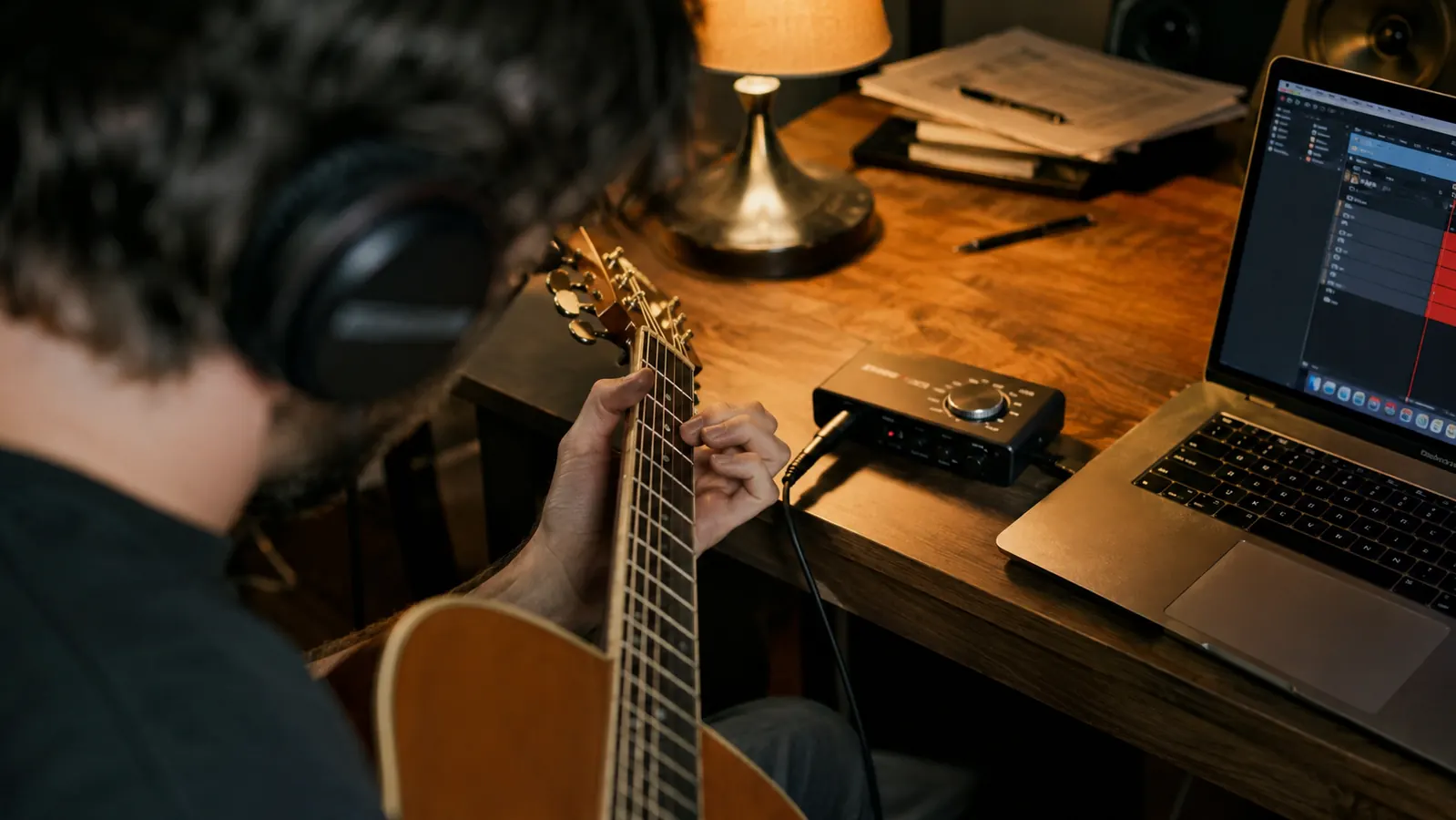
A working music teacher on the habit that separates fast improvers from everyone else: recording the practice session no one else ever hears.
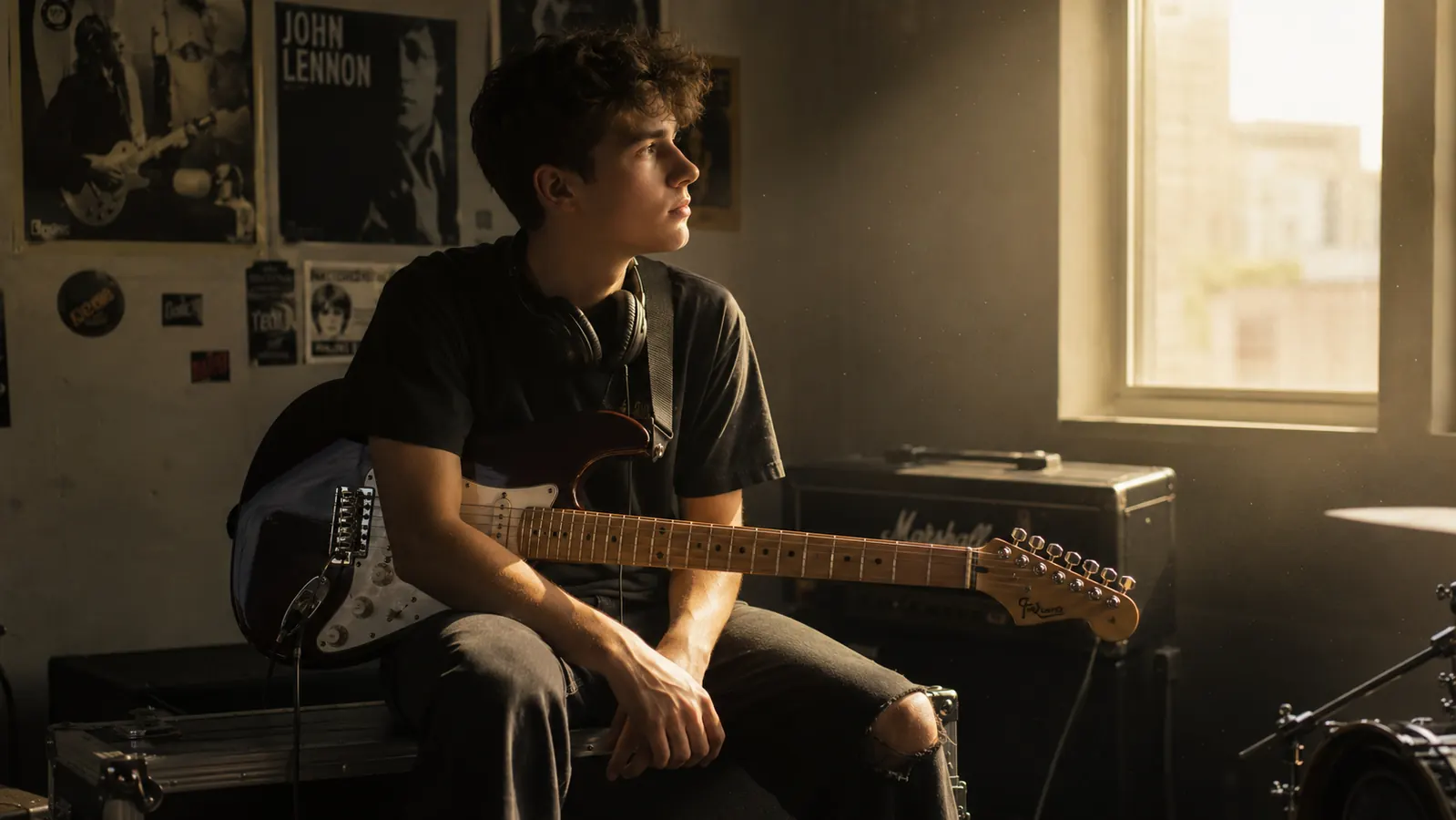
Marcus was sure he was ready for his first gig. Then we listened to a recording of his playing, and two weeks later he came back with his own interface.
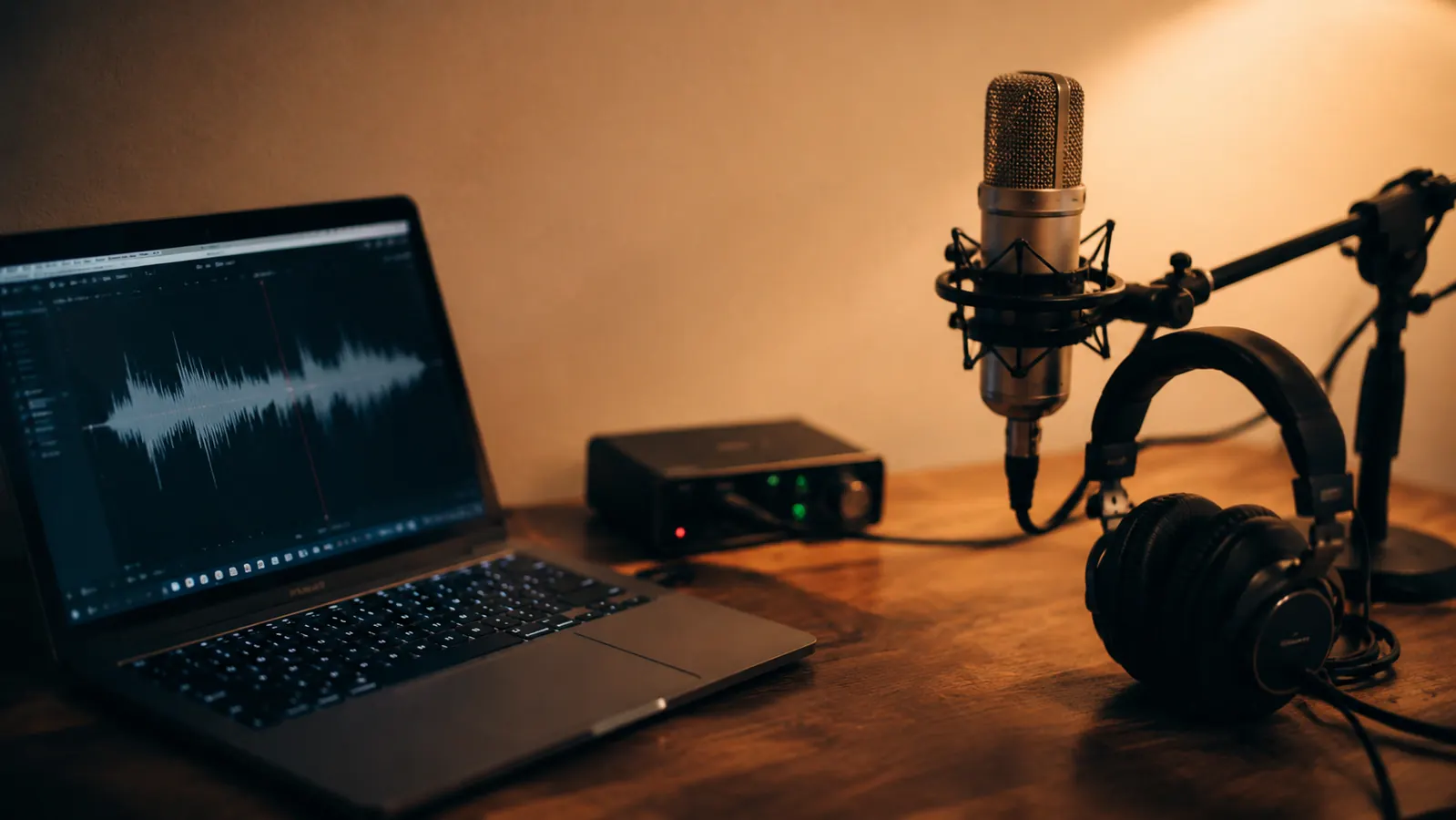
Plug in, arm a track, press record. This is the exact five-step first-song workflow I give my students, built around the Focusrite Scarlett Solo and software that costs nothing.
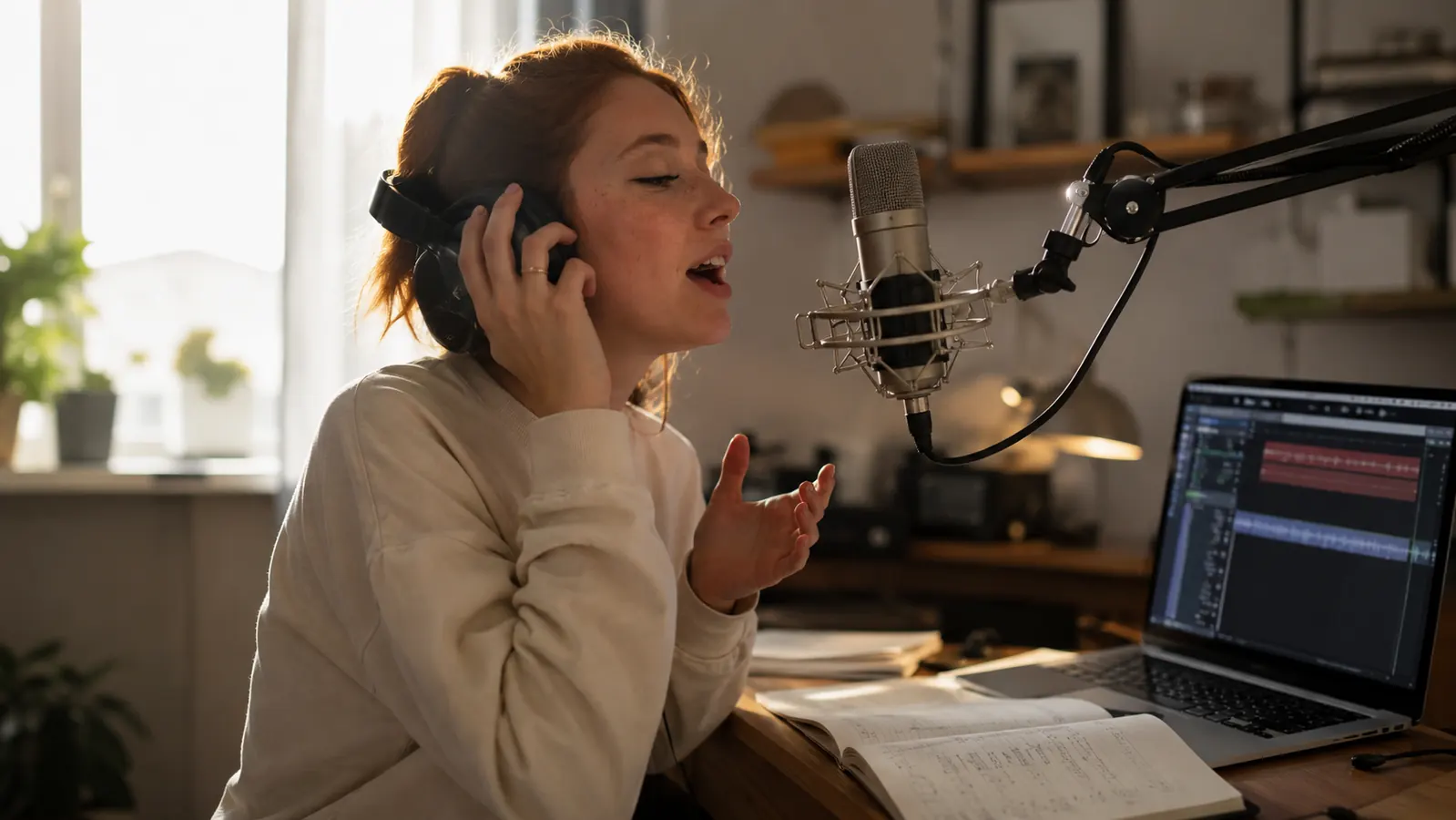
The best-selling beginner interface has real weak spots. After a year of weekly lesson recordings, here are the four that matter and the three that keep me recommending it anyway.
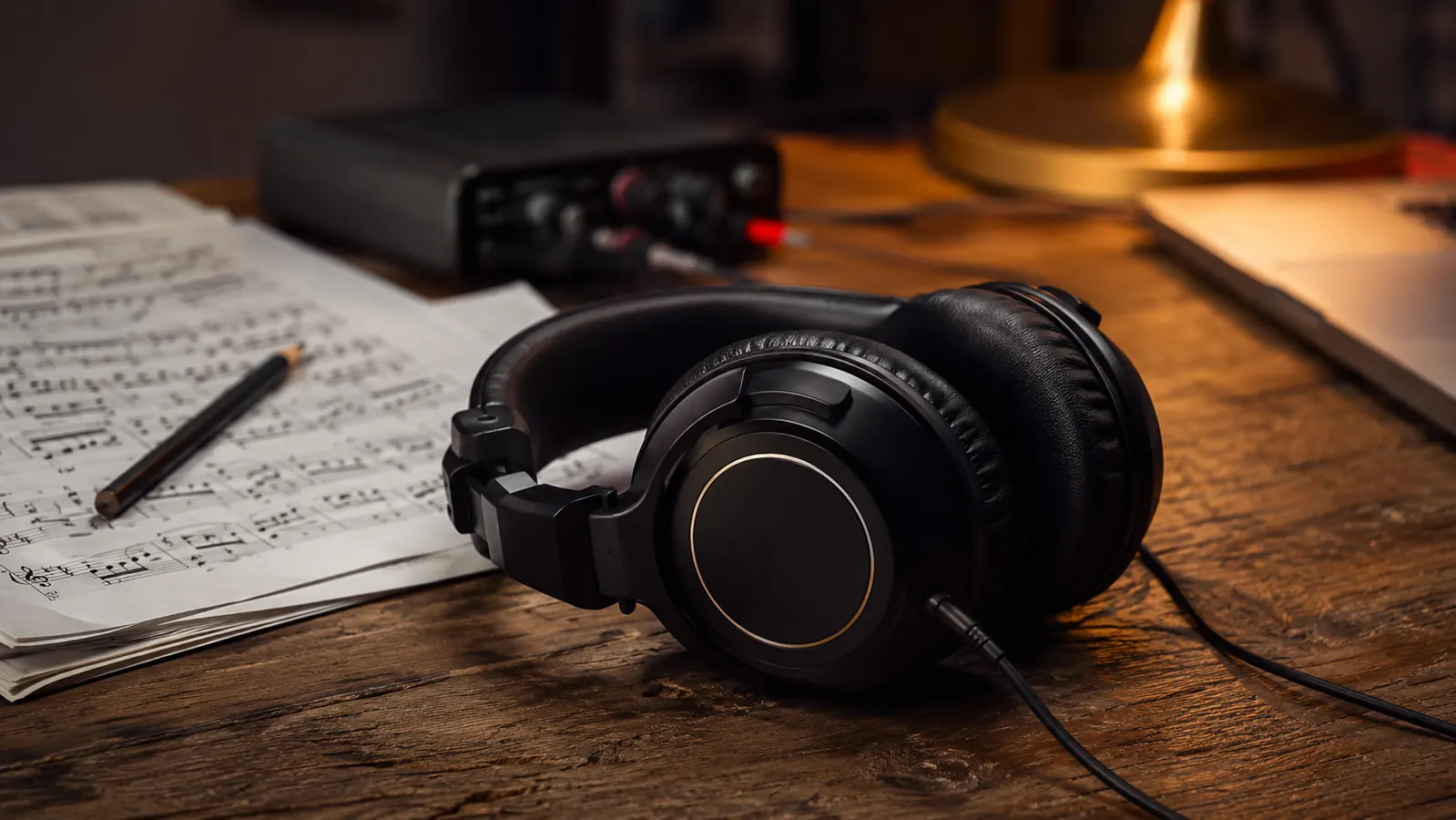
Two years, four hours a day, six student borrowers. Curtis Langley's long-term review of the budget studio headphone he keeps recommending.
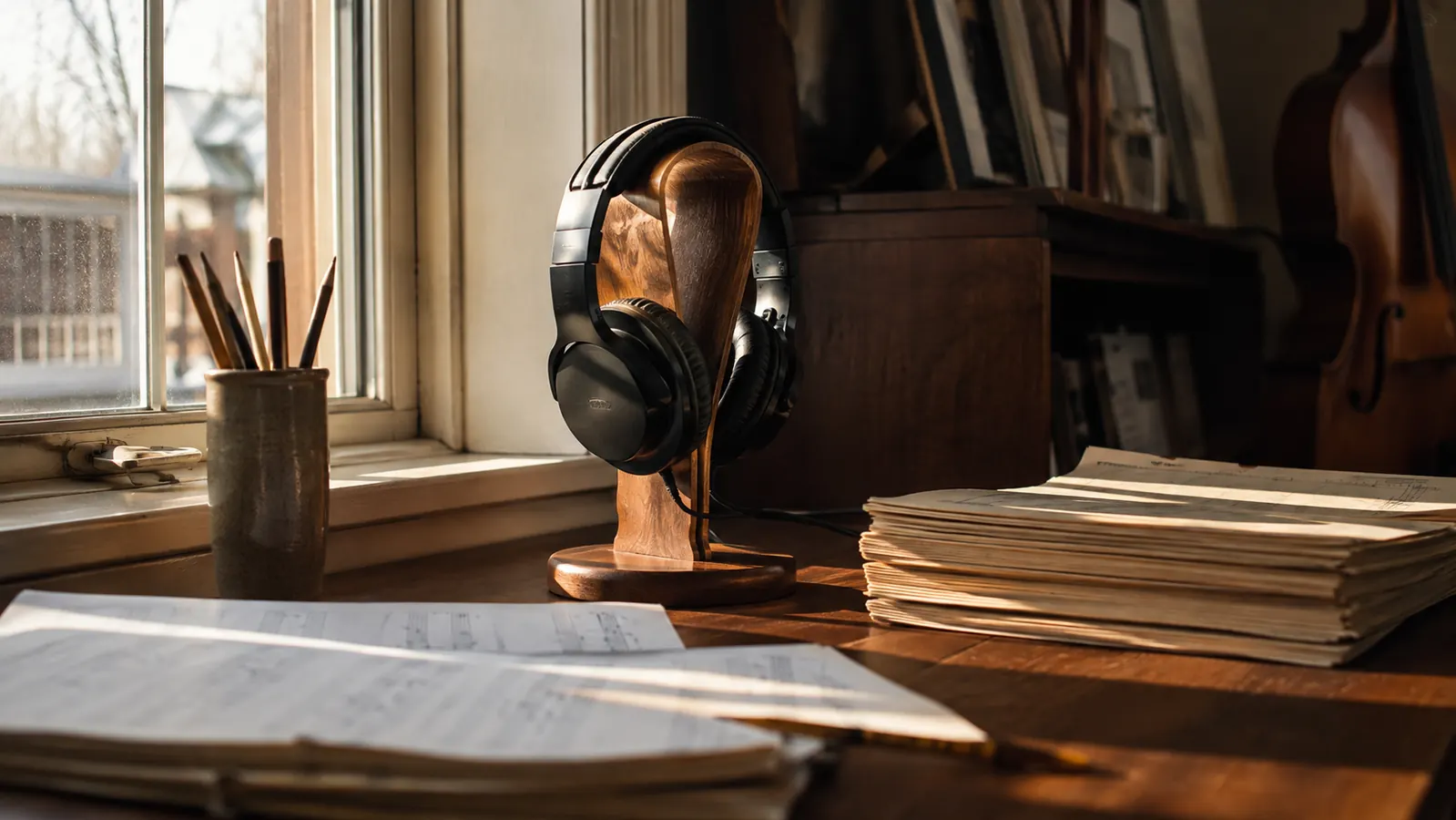
The budget pair or the step up? After two years of handing both to students, here is which one you should actually buy.

Open back sounds bigger, closed back tells the truth. Here are the ten reasons a sealed pair belongs on every musician's desk.
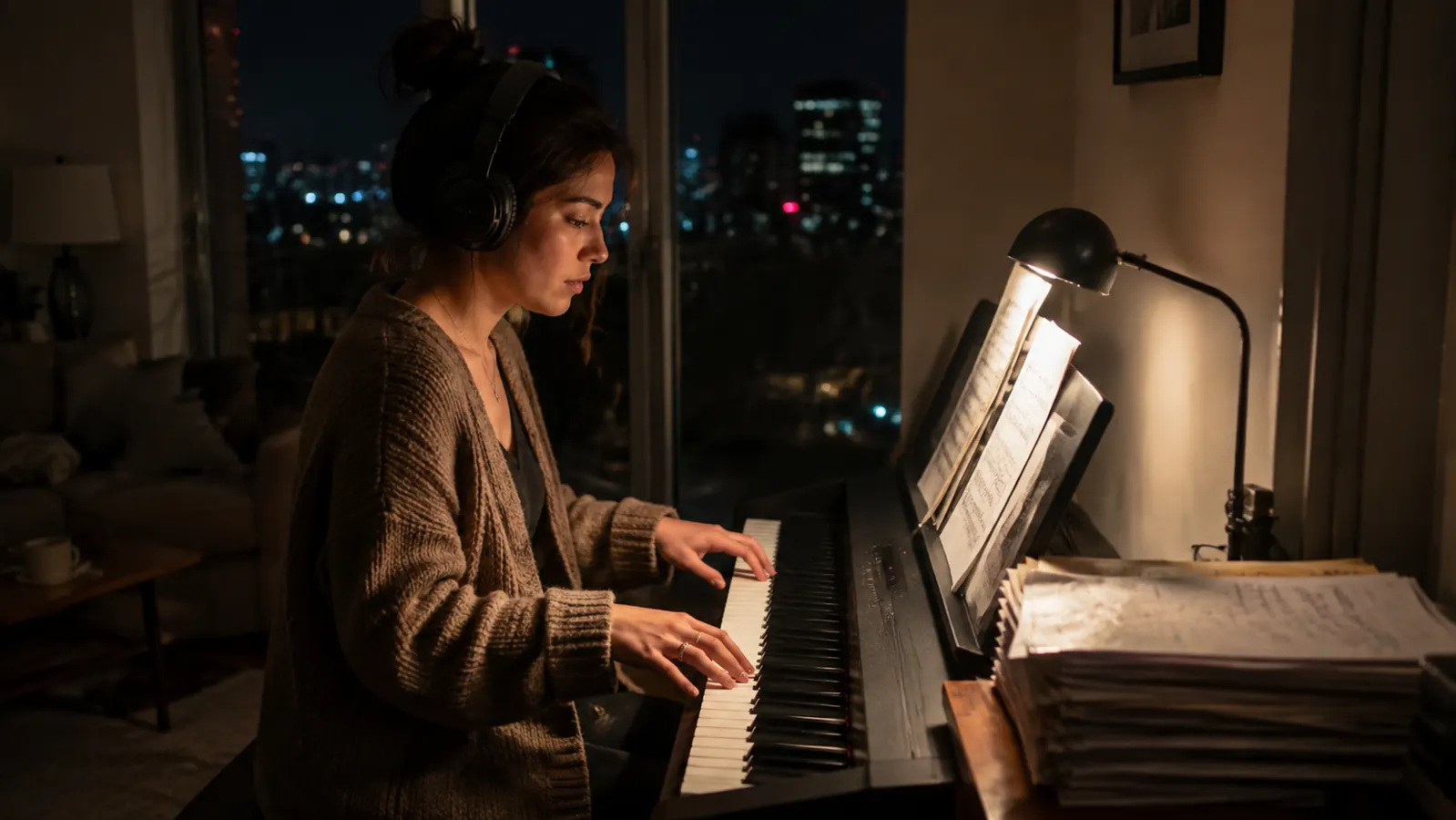
Margaret had exactly one free hour a day, and it started at midnight. A pair of closed-back monitor headphones gave it to her.

A teacher's silent practice rig: what to plug in, what to buy, and why a pair of closed-back ATH-M20x headphones fixes the room without touching the walls.
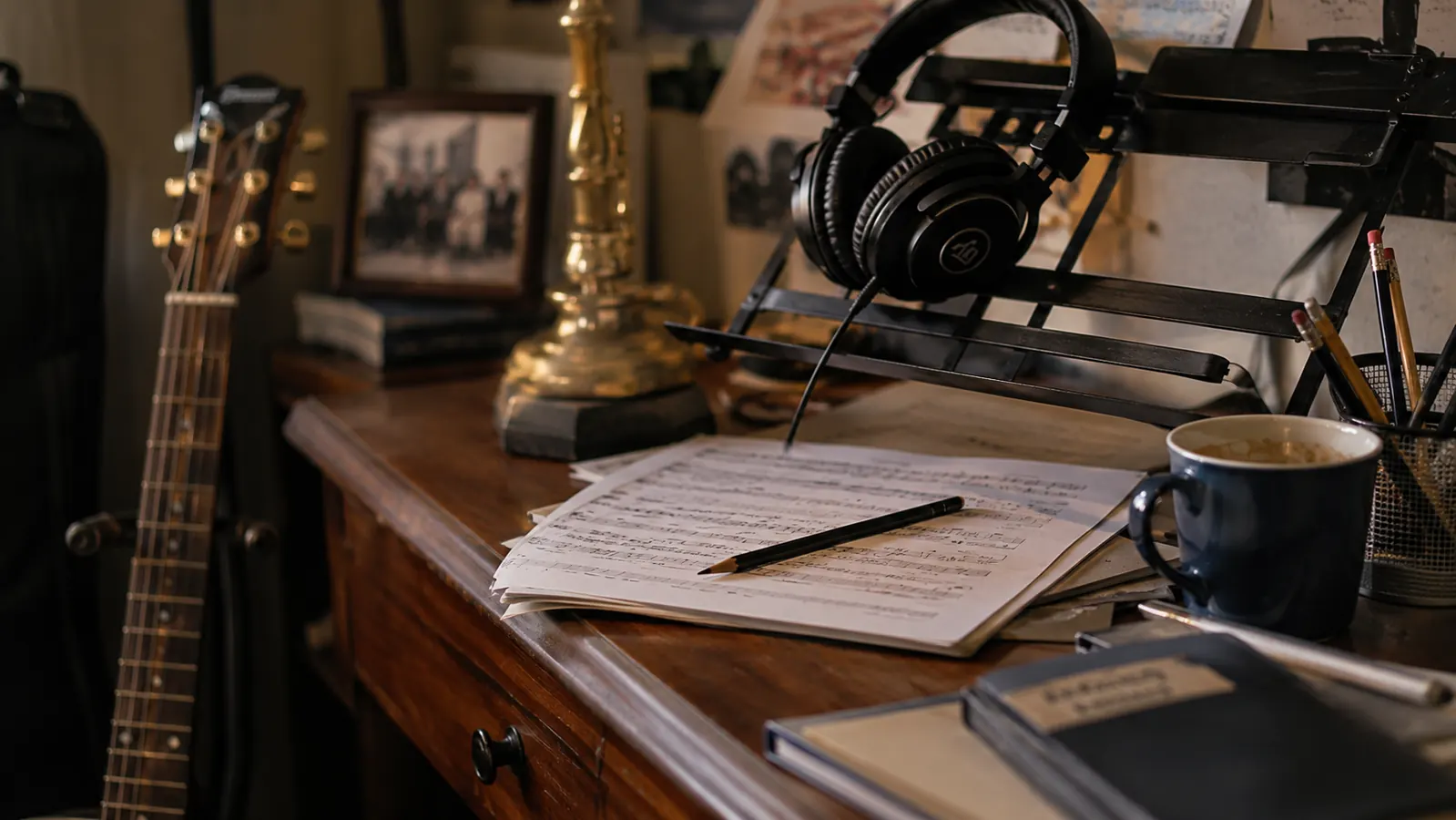
Four pairs, two years of lessons, and the three flaws the star ratings quietly bury.
A working teacher's long-term verdict after 18 months and three CD-60S guitars in the studio.
Three CD-60S guitars, hundreds of lessons, and the flaws the product bullets leave out.
Fourteen months, three Recitals, and a few hundred beginner lessons later: how Alesis's best-selling 88-key board actually holds up in a working music studio.
The Alesis Recital is the beginner 88-key I recommend most, which is exactly why it deserves an honest review of the weak spots: the Volume Pearl nobody explains, the ceiling on its speakers, the flex in its cabinet, and the trade in its semi-weighted action.
The clip-on tuner that ended the tuning chore in my studio. Two years in, seven of them on hand, and nothing I have found is faster.
Two of my six Snark SN-8s are broken in a drawer right now, and I still recommend one to every new student. This is the honest review that explains how both of those things are true.
A year of lesson playbacks, student demos, and weekend band rehearsals on the interface I recommend to every beginner.
The best-selling beginner interface has real weak spots. After a year of weekly lesson recordings, here are the four that matter and the three that keep me recommending it anyway.
Two years, four hours a day, six student borrowers. Curtis Langley's long-term review of the budget studio headphone he keeps recommending.
Four pairs, two years of lessons, and the three flaws the star ratings quietly bury.